PRP (Platelet Rich Plasma)
A transformative treatment for hair loss utilising your own blood's plasma
PRP (Platelet Rich Plasma) involves taking a small sample of your blood. The sample is processed in a centrifuge to separate and concentrate the platelet-rich plasma before it is prepared for treatment.
Platelets are tiny cell fragments naturally found in your blood that play an important role in blood clotting. PRP uses a concentrated portion of these platelets as part of this cosmetic procedure.
PRP is offered as part of a personalised hair and scalp treatment plan designed to support the appearance and condition of the hair and scalp.
Who is an ideal candidate for PRP?
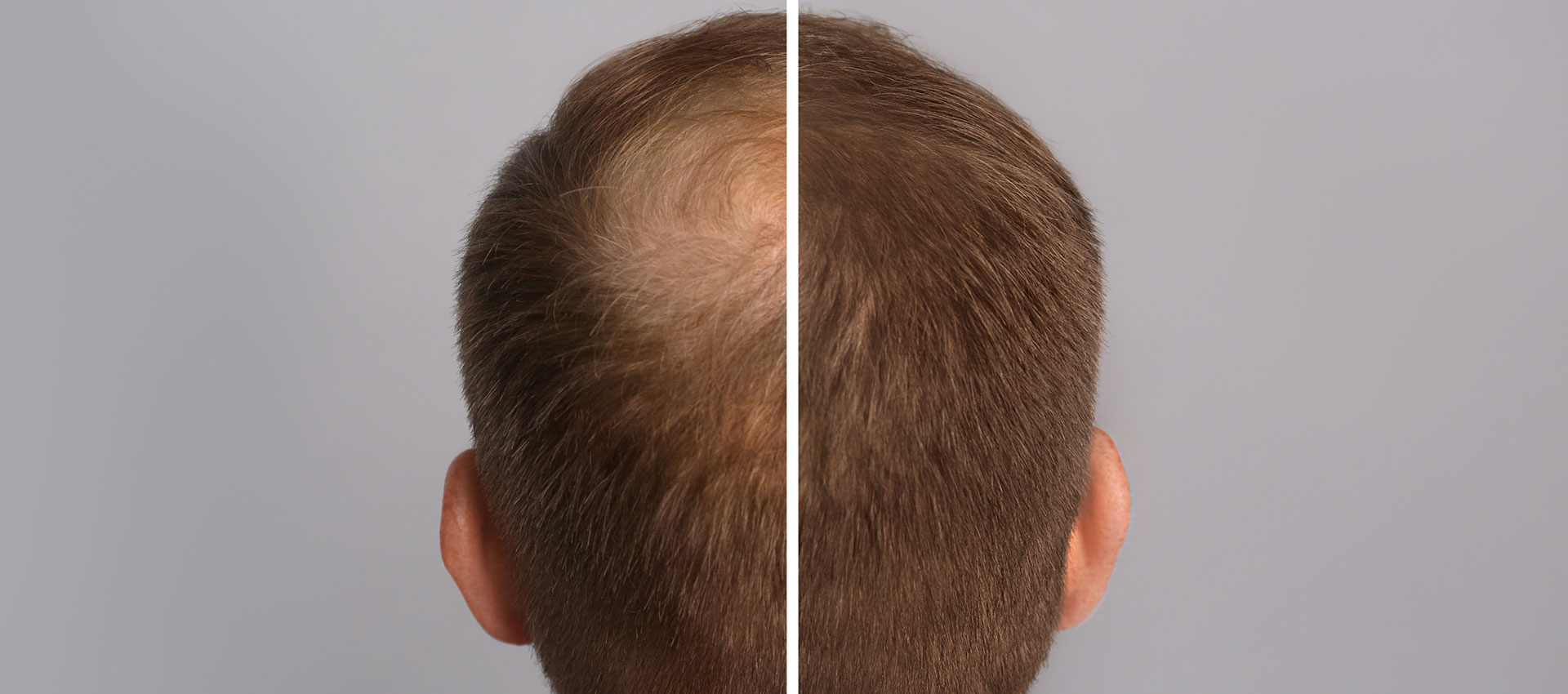
PRP may be considered for adults concerned about thinning hair or changes in hair density following an individual consultation. It can be used as a treatment before and after hair transplant procedures. Because PRP uses your own blood, the treatment does not involve synthetic products. As with any injectable procedure, there are potential risks and suitability is assessed during consultation.
- Men and Women of all ages.
- Post Partum women.
- People concerned by hair density
- Post Hair Transplant.
What does the procedure involve?
During the procedure, blood is extracted from the patient’s arm and placed in a specially prepared PRP tube, this goes into a centrifuge which activates the PRP separating the red blood cells from the plasma, the platelet-rich plasma is separated and prepared for treatment.
The PRP is injected into the affected areas of the scalp using a very small needle. The PRP is carefully administered using techniques designed to achieve an even distribution across the treatment area.
Trichology combines knowledge from various disciplines, including dermatology, endocrinology, genetics, and nutrition, to provide comprehensive care for individuals experiencing hair and scalp problems. Trichologists often work closely with dermatologists and medical professionals to develop personalised treatment plans for their patients.
PRP may be incorporated into some post-hair transplant treatment plans where considered appropriate by your clinician.
Frequently Asked Questions
Why would I choose PRP?
PRP is a treatment for people looking to support the appearance and condition of their hair and scalp. This treatment is created by prepared plasma from the clients own blood. Following a consultation, Helen will discuss whether PRP may be an appropriate part of your treatment plan.
Why choose PRP?
PRP is a treatment option for people looking to support the appearance and condition of their hair and scalp using a treatment prepared from their own blood. Following a consultation, your trichologist will discuss whether PRP may be appropriate as part of your personalised treatment plan.
Is the procedure painful?
Our patients have reported minimal discomfort rating 2 out of 10.
What is the recovery time?
The recovery time after PRP is minimal, we only see very mild swelling and slight tenderness that may occur for 1-2 days.
What is the after-care protocol?
Avoid touching, washing, or applying anything to the treated areas for 12 hours. Avoid alcohol, caffeine, blood thinners and hot baths for 24hrs after treatment.
How many sessions are required?
Generally we recommend 3 to 6 sessions. We recommended an interval 4-6 weeks. Then every 6 months for maintenance.
When will the results start to show?
Response to PRP varies between individuals. Some patients notice changes in the appearance or texture of their hair sooner than others. Where PRP is recommended, a course of treatment is usually advised before the response is reviewed.
Are there any complications?
Since PRP is a natural treatment that utilises the patient’s own blood, complications are extremely rare. Minimal swelling and bruising may occur, and the risk of infection is very low.
Do I need a consultation for PRP at Angel Trichology?
PRP is offered following an individual consultation and assessment. Suitability varies between individuals, and no treatment can guarantee a particular cosmetic outcome. Your clinician will discuss whether PRP is appropriate for your individual circumstances.